


 Letting go is a journey many of us face. It involves releasing the past, people, and pain. This process can be challenging yet transformative.
Why is letting go so hard? Our minds cling to familiar patterns. We hold onto memories, emotions, and relationships, even when they no longer serve us.
Understanding the reasons behind this attachment is crucial. It helps us navigate the path to emotional freedom. Letting go is not about forgetting or dismissing experiences.
It’s about acknowledging them and choosing to move forward. This guide will explore practical steps to help you let go. We’ll delve into the psychology of holding on.
You’ll learn techniques to release attachment and embrace change. Mindfulness and presence play a vital role in this process. They help us stay grounded and aware.
We’ll also discuss how to let go of someone you love. This can be one of the most difficult aspects of letting go. Resentment and old hurts can weigh us down.
We’ll explore ways to release these burdens. Emotional release techniques like journaling and breathwork can aid in this journey. Cultivating forgiveness and self-compassion is essential.
Setting boundaries and creating a supportive environment are key. They provide the space needed for healing and growth. Transforming pain into wisdom is a powerful outcome of letting go.
This guide will help you develop a personalized practice. It will support your journey towards emotional liberation. Letting go is a path to self-awareness and empowerment.
AFFILIATE DISCLAIMER: The Gardener’s Gentle Reminder
In the sprawling garden of the internet, some of the seeds we plant are special. If you choose to water them (aka click on affiliate links and make a purchase), we might get a sprinkle of support in return. It helps us keep the garden lush and vibrant without any extra rain from your pocket! Rest assured, our green thumbs only point you towards products we truly believe could make your garden flourish, too.

Why Letting Go Is So Hard: The Psychology Behind Holding On
Letting go challenges us because of deep-rooted psychological factors. Our brains are wired to seek safety in what’s familiar. This is why we often cling to past experiences, even if they cause harm.
Emotional attachments form because they provide a sense of identity. Losing these attachments can lead to feelings of uncertainty. We might fear the unknown, so we resist letting go.
The concept of loss aversion explains why letting go is daunting. Loss aversion suggests that losing something feels worse than gaining something new. This psychological principle keeps us attached to painful memories or relationships.
Memory plays a significant role too. The brain recalls positive aspects of our past, often overlooking the negatives. This selective memory can make it hard to move on.
Relationships often become intertwined with our self-worth. Letting go of a person might feel like losing a part of our identity. This intertwining makes emotional detachment seem nearly impossible.
Cultural and societal norms add another layer. Sometimes, these norms promote holding onto relationships at all costs. This pressure complicates the decision to let go.
Our ego tends to resist change and uncertainty. It thrives on control and predictability. Letting go threatens the ego’s domain, so it fights back.
Common psychological factors that make letting go difficult include:
- Fear of the unknown and future uncertainty.
- Emotional attachments and intertwined identities.
- Selective memory recalling positive past events.
- Loss aversion making loss feel more significant than gain.
- Societal pressures encouraging clinging to relationships.
Understanding these psychological barriers is empowering. It provides insight into why we hold on and how to begin the release process.
Knowing this, we can approach letting go with compassion and awareness. This understanding marks the first step towards emotional freedom.

The Cost of Holding On: Emotional, Mental, and Physical Impacts
Holding onto past pains and relationships has significant costs. These costs manifest in emotional, mental, and physical ways. Understanding these impacts is crucial for recognizing the importance of letting go.
Emotionally, holding on can lead to chronic stress. This stress results from unresolved emotions simmering beneath the surface. It can foster anxiety and depress mood, affecting daily life quality.
Mentally, clinging to the past hampers focus and clarity. The mind remains preoccupied with past events, leaving little room for present thoughts. This preoccupation often leads to decreased productivity and concentration.
Physical health can also suffer. Chronic stress has tangible effects on the body, including headaches, fatigue, and digestive issues. Over time, these physical symptoms become more pronounced, affecting overall well-being.
Loss of sleep is another common issue. The mind, busy replaying old scenarios, disrupts restful sleep. Lack of sleep further contributes to mental fog and emotional instability.
Longevity of grudges and old narratives can also foster bitterness. This bitterness may push away loved ones, leading to feelings of isolation. Relationships, both personal and professional, can deteriorate as a result.
To understand the full spectrum of holding on, consider these impacts:
- Emotional: stress, anxiety, depression.
- Mental: lack of focus, reduced clarity, impaired concentration.
- Physical: headaches, fatigue, digestive issues, sleep disturbances.
- Social: isolation, strained relationships, bitterness.
Recognizing these costs initiates a powerful shift. It emphasizes the necessity of releasing past burdens for holistic health. This awareness paves the way for healing and transformation.
Take Your Intention to Step Into Higher Levels of Consciousness Even Further
Do you consider your mind a great gift—or a dangerous place? Maybe a little of both? Join Michael A Singer, in a free three-part mini-course exploring how to stop being victimized by your mind, and instead use it as it was intended.

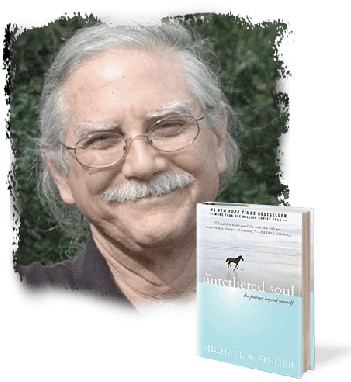
 Michael A. Singer is a spiritual teacher and author who is known for his transformative teachings on consciousness and inner peace. His best-selling book, “The Untethered Soul,” has helped millions of people worldwide to find freedom and joy by breaking free from limiting thoughts and emotions. Singer’s approach to spirituality is grounded in practicality and accessibility, making his teachings accessible to people from all walks of life. He encourages individuals to explore their inner world and cultivate a deeper sense of self-awareness, mindfulness, and compassion. Overall, Michael A. Singer’s work inspires individuals to live more fulfilling, peaceful, and meaningful lives.
Michael Singer’s 8-Week Online Course continues to be a top-selling course at The Mind Body Spirit Network.

Step 1: Acknowledge and Accept Your Emotions
The journey of letting go begins with acknowledgment. This means giving yourself permission to feel. Often, people suppress emotions, afraid of their intensity.
Avoid ignoring your feelings. Ignoring only amplifies their power over you. By acknowledging emotions, you affirm their existence. This act is the first step towards release.
Acceptance is about facing reality. It’s recognizing emotions without judgment. Be kind to yourself in this process. Understand that emotions, however strong, are temporary visitors.
To effectively acknowledge and accept your emotions, consider the following practices:
- Name Your Emotions: Identifying what you feel can be cathartic. It brings clarity, transforming vagueness into understanding.
- Allow Yourself to Feel: Resist the urge to dismiss feelings as unimportant. Let them flow naturally through you, without resistance.
- Practice Self-Compassion: Be gentle with yourself. Remember, it’s okay to feel hurt or scared. Your emotions are valid.
- Reflect Through Journaling: Writing about your emotions can help process and understand them. It provides a private space for raw honesty.
- Seek Professional Guidance: Therapists offer tools and support for deep emotional exploration. Their insights can facilitate acceptance.
By following these practices, you create a healthy emotional environment. This foundation supports healing. It allows you to move forward with strength and clarity.
Acknowledgment and acceptance open the door to deeper self-understanding. They empower you, transforming vulnerability into a source of growth. Embrace them as integral steps in your journey of letting go.

Discover the Emotion Code®
We all want to feel good, be happy, and enjoy life…
Yet it’s part of being human to suffer physical ailments, emotional upheavals, material depletions such as financial woes, and spiritual and soul-related “droughts” that tap our creative juices and zest for life.
If not addressed, the difficult feelings we generate due to these challenges can get the best of us, escalating over time into chronic illnesses, long-term depression, anxiety disorders, soul loss, and more.
According to Dr. Bradley Nelson, an internationally renowned medical intuitive, healer, and teacher, unfelt, unacknowledged, and unreleased emotions are at the core of most of our body’s imbalances — and in the case of pain, they’re behind 90 percent of symptoms.
Join Dr. Brad as he introduces you to the Emotion Code®, an approach to energy healing that taps into your subconscious to locate and move stuck emotional energies from your body quickly and easily.
Register here for Introducing the Emotion Code® — A Quick & Simple Method to Address Underlying Health & Life Imbalances.

Step 2: Identify What You Need to Let Go Of
Identifying what to release is crucial. It provides direction and focus in your journey. Without clarity, efforts might feel scattered.
Start by reflecting on areas of tension in your life. Ask yourself where you feel stuck. These could be situations, relationships, or beliefs.
Consider aspects that consistently drain your energy. These are often prime candidates for letting go. Energy drains are signals of deeper conflicts.
Sometimes, what you need to release isn’t obvious. Take time to delve into your feelings. This exploration can uncover hidden attachments.
Make a list of potential areas to release. Writing them down makes them tangible. It also acts as a roadmap for your process.
To effectively identify what to let go of, consider these techniques:
- Reflect on Repeating Patterns: Notice cycles in your life that no longer serve you.
- Evaluate Your Relationships: Consider which connections bring you joy versus those that bring pain.
- Assess Your Beliefs: Identify any limiting beliefs that hinder your growth.
- Notice Physical Reactions: Pay attention to situations that cause tension or discomfort in your body.
- Consider Your Goals and Values: Ensure your life aligns with your true desires and principles.
Being deliberate in this step fosters freedom. It also aligns your actions with your truest self. As you continue, this clarity will serve as a guide. It paves the path to genuine release and transformation.

Step 3: Understanding Attachment and the Roots of Clinging
Attachment is a natural human experience. It often stems from a desire for security. This need can manifest in both healthy and unhealthy ways.
At its core, attachment is about connections. We connect to people, places, and ideas. These connections offer comfort but can also lead to clinging.
Clinging occurs when fear takes over. Fear of loss or change makes letting go difficult. Understanding these fears is key to addressing attachment.
Dive deep into the reasons behind your attachments. Are they based on past experiences? Perhaps they stem from unmet needs.
Recognizing attachment types can aid in releasing them. Emotional, physical, and material attachments each require different approaches. Tailor your strategy to your specific attachment style.
Consider the following to explore the roots of clinging:
- Investigate Early Influences: Reflect on past experiences that shaped your attachment style.
- Identify Core Needs: Determine the basic needs you seek to fulfill through attachment.
- Acknowledge Fears: Face the fears that prevent you from letting go.
- Evaluate Dependency Levels: Assess how dependency influences your capacity to release.
- Recognize Attachment Patterns: Notice repetitive patterns that signal unhealthy attachment.
Understanding attachment fosters self-awareness. It reveals why you hold on and how to loosen your grasp. With this insight, you’re better prepared to embrace change and release what no longer serves you. Embrace this journey as one of self-discovery and growth.

Step 4: The Power of Mindfulness and Presence in Letting Go
Mindfulness invites you into the present moment. It redirects focus from past regrets and future worries. Embracing mindfulness fosters peace and clarity.
Presence is the heart of letting go. It involves full acceptance of the now. This practice helps dissolve attachments tied to past and future.
Begin by cultivating awareness of your thoughts. Notice when your mind drifts to the past. Gently bring it back to the present.
Breathing techniques can anchor you in the present. Focus on each breath as it enters and leaves your body. This simple act diminishes mental chatter.
Mindfulness is a powerful tool for emotional regulation. It allows you to observe feelings without judgment. Acceptance of emotions, rather than resistance, eases their grip.
Consider integrating these mindfulness practices to aid letting go:
- Daily Meditation: Set aside time to quiet the mind.
- Focused Breathing: Use breath as a tool to center yourself.
- Body Scan: Tune into physical sensations to ground awareness.
- Mindful Walking: Connect with each step and the space around you.
- Journaling: Reflect on daily experiences to enhance awareness.
Mindfulness enhances self-awareness and reveals hidden attachments. It shifts focus from clinging to acceptance. This shift nurtures emotional freedom and encourages personal growth.
By anchoring in the present, you cultivate resilience. Resilience helps you navigate life’s uncertainties with grace. Choose mindfulness as a path to release and renewal.
Explore FREE Mindfulness Meditation Resources from Aforementioned Teachers


Step 5: How to Let Go of the Past
Letting go of the past is often challenging yet deeply rewarding. Memories and experiences shape us. However, clinging to them can hinder personal growth.
To move forward, begin by acknowledging past events. Acceptance, rather than denial, is essential. This acknowledgment allows you to process and learn from experiences.
Identify recurring thoughts tied to the past. These thoughts may manifest as regret or guilt. Awareness of these patterns is the first step toward release.
Reflect on the lessons learned from past experiences. Consider how these insights have contributed to your growth. Shifting focus from pain to learning is transformative.
Cultivate a sense of forgiveness — for yourself and others. Holding onto past grievances perpetuates emotional burdens. Forgiveness does not mean forgetting but releasing the hold they have.
Consider journaling as a tool for processing the past. Writing provides a safe space to express unresolved emotions. It helps in reshaping your narrative towards healing.
Visualize a future free from past constraints:
- Picture Positive Outcomes: Envision what life feels like free of past burdens.
- Set Intentional Goals: Redirect energy towards creating new, meaningful experiences.
- Embrace Gratitude: Foster appreciation for growth opportunities arising from past challenges.
Surround yourself with supportive people. Engage in communities that encourage forward movement. Their support strengthens resolve to let go.
Letting go of the past is an ongoing journey. It requires patience and persistence. Honor each step as you move toward a more liberated self.

Step 6: How to Let Go of Someone (Including Someone You Love)
Letting go of someone, especially someone you love, is a profound emotional process. It requires courage and introspection. Initially, allow yourself to fully feel the range of emotions involved.
Acknowledge that love and loss can coexist. The end of a relationship does not negate the love that was shared. Honor the significance of what once was.
Reflect on the reasons for letting go. This clarity is essential for acceptance. Understanding why it’s necessary can help release attachment.
Create space for personal healing. Distance can be difficult but crucial. This space aids in gaining perspective and encourages self-discovery.
Establish healthy boundaries to protect your emotional wellness. These boundaries are necessary for healing and preventing further emotional entanglement.
Grieve the relationship in your own time and way. Grieving is not linear and varies for everyone. Allow yourself moments to process without judgment.
Release expectations of how you thought things should be. Accept reality as it is now. This acceptance is a pivotal step in moving forward.
Practice self-compassion throughout this journey. Be gentle with yourself as you navigate complex feelings. Self-kindness cultivates resilience and healing.
Seek support from trusted friends or communities. Sharing your process with others can provide comfort and insight. Their presence offers validation and strength.
Explore visualization techniques to support emotional release:
- Letting Go Ceremony: Create a symbolic ritual to signify release.
- Visualize Freedom: Imagine yourself light and untethered from emotional ties.
- Affirm Growth: Focus on your potential for renewal and happiness.
Remember that letting go is not about forgetting. It’s about releasing the hold someone has on your heart. With time, you will find peace and possibly new beginnings.

Step 7: How to Let Go of Resentment and Old Hurts
Resentment can linger, casting shadows on our present. It’s a heavy burden that’s difficult to release. However, holding onto resentment only prolongs suffering.
Begin by identifying the source of your resentment. Awareness is the first step toward release. Name the specific person or event that triggers these feelings.
Acknowledge your feelings without judgment. Validating your emotions is essential. It paves the way for deeper understanding and healing.
Consider how resentment affects your life. It can impact mental clarity, emotional health, and even physical well-being. Understanding these impacts motivates release.
Practice empathy, trying to see the situation from another perspective. This does not justify harmful behavior, but can reduce resentment’s grip. Compassion can soften entrenched emotions.
Embrace forgiveness as a personal gift. Remember, forgiveness is not about excusing wrongdoing. It’s about freeing yourself from negativity and pain.
Explore practices that encourage emotional release:
- Journaling: Write down your feelings and insights to understand patterns.
- Meditation: Focus on breath and let go of negative thoughts.
- Creative Expression: Use art or music to channel and release emotions.
Forgive yourself for any past involvement in the situation. Self-forgiveness is a vital step in moving forward. It heals wounds and allows for new growth.
Letting go of resentment takes time and perseverance. Each small step leads to greater freedom and peace. Ultimately, releasing resentment lightens your heart and illuminates your path forward.

Step 8: Emotional Release Techniques (Journaling, Breathwork, Energy Healing)
Releasing emotions can feel daunting, but techniques like journaling, breathwork, and energy healing offer supportive outlets. Each method facilitates the process uniquely, helping you let go of emotional burdens.
Journaling is a powerful tool for emotional release. Writing allows for introspection and clarity. It creates a safe space to express thoughts you might find hard to verbalize.
Set aside a dedicated time each day for writing. Let your thoughts flow freely without editing. This unfiltered expression can reveal patterns and lead to insights.
Breathwork, on the other hand, utilizes controlled breathing to calm the mind and relieve tension. By focusing on your breath, you can disrupt negative thought cycles. This practice reduces stress and enhances overall well-being.
Begin with simple exercises like deep belly breathing. Inhale slowly through the nose, allowing the abdomen to expand, then exhale through the mouth. This rhythmic breathing instills calmness and focus.
Energy healing taps into the body’s natural energy flow, aiming to correct imbalances. Techniques like Reiki or acupuncture can help shift stuck emotional energy, promoting healing.
Consider exploring local practitioners or online guided sessions. These can provide support and guidance tailored to your needs.
Here are some benefits associated with these techniques:
- Stress Reduction: Promotes relaxation and mental clarity.
- Emotional Insight: Offers perspectives you might not see otherwise.
- Healing Support: Complements other therapeutic practices.
Each method brings unique benefits. Choosing the one that resonates with you can enhance your emotional release journey.
Remember, the goal of emotional release isn’t to erase feelings, but to process them constructively. These techniques open doors to compassion and liberation.

Step 9: Cultivating Forgiveness and Self-Compassion
Forgiveness isn’t about condoning past actions, but about releasing their hold on you. It’s a choice to free yourself from bitterness and resentment.
Self-compassion is the practice of treating yourself with the same care and kindness you’d offer a friend. Both these practices are integral to letting go.
Start by acknowledging the hurt. Denial only prolongs pain. Honest recognition is the first step toward healing.
Reflect on the situation from a broader perspective. Try to understand the other person’s context. This doesn’t excuse their actions, but it can foster empathy.
Self-compassion involves accepting your imperfections. Everyone makes mistakes. It’s important to forgive yourself for being human.
Practice self-kindness. When negative thoughts arise, counter them with affirmations. “I am doing my best” is a gentle reminder.
Forgiveness isn’t a quick fix. It’s a gradual process and requires patience. Celebrate small progresses along the way.
Consider keeping a journal of gratitude and forgiveness. Documenting moments of kindness can help shift focus from pain to healing.
Here’s a simple method to practice daily:
- Intention Setting: Each morning, set the intent to approach the day with forgiveness and self-kindness.
- Mindful Reflection: Spend a few moments reflecting on what you need to forgive yourself or others for.
- Affirmations: Use positive affirmations to reinforce self-compassion.
Allow yourself the grace to heal, recognizing that you deserve peace and liberation from past burdens.

Step 10: Setting Boundaries and Creating Space for Healing
Setting boundaries is essential for emotional well-being. It helps define what is acceptable in your life. Boundaries create a buffer against negativity and stress, allowing space for healing.
Begin by identifying your needs. Reflect on what drains your energy. Understanding this helps you establish effective boundaries. It’s about protecting your emotional resources and focusing on personal growth.
Communicating boundaries is key. Use clear, assertive language when expressing your limits. Remember, it’s not about making others comfortable, but about respecting yourself.
 Boundaries also help navigate relationships. They prevent over-dependence, enabling healthy interdependence. As you set boundaries, notice which relationships respect them and which resist.
Creating physical space for healing is also powerful. Designate a peaceful corner in your home. Fill it with things that soothe and inspire: plants, books, or art. This physical space becomes a sanctuary for reflection and growth.
Emotional space means permitting yourself time alone. Solitude aids in processing feelings and gaining clarity. Use this time for activities that nurture your soul like yoga, meditation, or journaling.
When setting boundaries, consider:
- Identifying Triggers: Recognize situations or people that unsettle you.
- Voicing Needs: Communicate clearly what you need to others.
- Honoring Space: Dedicate regular time to recharge and reflect.
Remember, boundaries are not walls. They’re bridges to healthier relationships and a more balanced life. By setting them, you honor your healing journey and affirm your self-worth.

Step 11: Building a Supportive Environment (Community, Therapy, Coaching)
Creating a supportive environment is crucial for letting go. Surround yourself with people and resources that uplift and encourage growth.
Start by identifying your support network. Friends, family, or groups who resonate with your journey matter. They should offer positive reinforcement and understanding.
Therapy can be a valuable tool. A therapist provides a safe space to express emotions. They guide you through complex feelings and help unpack deep-seated issues.
Coaching offers another layer of support. A coach helps set personal goals and develop actionable strategies. They focus on your present and future potential, offering motivation and accountability.
Community can provide comfort and connection. Consider joining support groups or online communities. Being with like-minded individuals fosters a sense of belonging and reduces isolation.
Seek environments that nurture open communication. Spaces where you feel heard and validated enhance healing. Sharing your story is powerful and liberating.
Here’s how to build a supportive environment:
- Identify Key People: Seek friends or mentors who listen actively.
- Explore Professional Help: Consider therapy for deep healing.
- Join Groups: Engage with communities that reflect your values.
A supportive environment empowers you to let go more effectively. It provides the strength to face challenges with grace. Leverage your network to nurture resilience and foster meaningful connections.

Step 12: Transforming Pain into Growth and Wisdom
Pain can be a powerful teacher if you let it. Transformation begins by viewing difficult experiences as catalysts for growth.
Acknowledge what the pain has taught you. Each challenge comes with lessons. Reflect on moments of struggle and identify the wisdom gained.
Develop a mindset that embraces change. Every transition offers an opportunity to learn and evolve. Resisting change often prolongs suffering.
Recognize that personal growth is a journey, not a destination. Growth involves continuous learning and adaptation. Embrace this as a lifelong process.
Cultivating resilience is key to transforming pain. Resilience helps you bounce back from setbacks with renewed strength. It empowers you to face future challenges more effectively.
Consider using these techniques to facilitate growth from pain:
- Reflective Journaling: Write about your experiences and insights.
- Gratitude Practice: Focus on positive aspects that emerge from hardships.
- Mindful Meditation: Use mindfulness to process emotions with clarity.
Transforming pain into wisdom enriches your life. It enhances self-awareness and deepens understanding. With each step, you build a foundation of strength and insight.
Let your journey inspire others. Sharing your story of transformation can offer hope. It can also reinforce your own sense of empowerment.
Embrace the lessons pain offers as gifts. This shift in perspective fosters personal evolution. It allows you to move forward with renewed clarity and courage.

Step 13: Developing a Personalized Letting Go Practice
Creating a letting go practice tailored to your needs is essential for lasting change. This practice should reflect your individual circumstances and values.
Start by assessing what truly resonates with you. Each person has unique preferences for processing emotions. Whether it’s through artistic expression or meditation, find what feels authentic.
Experiment with different techniques and notice their effects. Some methods may resonate more than others. Allow yourself flexibility to adapt and evolve your approach over time.
Integrate small, consistent habits into your daily routine. Gradual shifts can have significant impacts. Even a few minutes of mindful breathing can foster emotional release and clarity.
A personalized practice can include:
 Morning Meditation: Begin the day with presence.
- Evening Journaling: Reflect on daily insights and progress.
- Regular Nature Walks: Connect with nature for grounding.
Seek feedback from trusted friends or mentors. External perspectives can offer valuable insights. They can help refine your practice and encourage accountability.
Celebrate your unique path without comparing to others. Your journey is distinctly your own. Honor your progress and the insights you gain along the way.
Consistently nurturing this practice strengthens emotional resilience. It equips you to navigate future challenges with greater ease. As your practice evolves, so too will your capacity to let go and embrace life’s impermanence.

Step 14: Maintaining Progress and Preventing Regression
Maintaining progress involves ongoing commitment and awareness. It’s easy to fall back into old patterns without a sustained effort.
First, recognize that setbacks are a normal part of the journey. They provide opportunities to learn and grow. Embrace them as part of your path.
Continue to revisit and refine your letting go practices. Regularly evaluate what’s working and what’s not. Adjust your techniques as needed to stay effective.
Build resilience by celebrating small victories. Every step forward is a testament to your growth. Acknowledge these accomplishments, no matter how minor they seem.
Stay connected with supportive peers and mentors. They offer encouragement and accountability. Engaging with others on similar journeys can reinforce your commitment.
Establish habits that reinforce your progress:
- Routine Reflection: Spend a few minutes daily on self-assessment.
- Monthly Check-ins: Review goals and achievements.
- Mindfulness Practices: Regular meditation to stay present.
By continually refining your approach and embracing growth, you’re actively preventing regression. Each day offers a chance to deepen your understanding and maintain momentum. Stay patient and trust the process—progress is a gradual but rewarding journey.

Step 15: The Spiritual Perspective on Letting Go
From a spiritual viewpoint, letting go is about embracing trust in life’s flow. It involves releasing control and allowing things to unfold naturally.
Spiritual traditions teach that attachment is the root of suffering. By letting go, we free ourselves from the chains of desire and expectation.
This process encourages connection with a deeper sense of self. It allows for inner peace, as we align with our true nature.
Spiritual letting go involves surrender, a powerful act of faith. Trusting the universe requires courage and openness to the unknown.
To explore this perspective, consider adopting practices that nurture spiritual growth:
- Meditation: Cultivate inner awareness and acceptance.
- Prayer or Intention Setting: Seek guidance from a higher power.
- Mindful Listening: Tune into inner wisdom and intuition.
Reflect on how letting go opens space for new experiences. It allows us to receive gifts life offers without resistance. This openness fosters a deep sense of gratitude.
By embracing a spiritual approach, you begin to perceive challenges as opportunities for transformation. Each release is a step toward personal and spiritual evolution. Letting go becomes a journey of liberation and discovery, guiding you toward greater harmony with both yourself and the wider world.

Common Myths and Misconceptions About Letting Go
Letting go is often misunderstood. Many believe it means forgetting or ignoring painful experiences. This myth can hinder emotional healing.
Another misconception is that letting go equates to defeat or failure. In reality, it’s a courageous act that empowers you to move forward.
People also think letting go is a one-time event. However, it’s a process that unfolds over time, requiring patience and practice.
Here are some common myths:
- Letting go means forgetting: Not true, it’s about acceptance.
- It’s a sign of weakness: Actually, it shows strength and courage.
- Once done, it’s over: Often, it’s an ongoing process.
By dispelling these myths, you can adopt a more realistic approach. Understanding the truth behind letting go helps navigate the journey with clarity and purpose.

Frequently Asked Questions About Letting Go
Many people wonder if letting go means forgetting. It doesn’t. Letting go involves acknowledging and integrating past experiences.
Another common question is how long the process takes. The timeline varies for each individual, depending on personal circumstances and emotional readiness.
People often ask if it’s normal to feel emotional discomfort during this journey. Yes, facing feelings is a natural part of letting go.
Here are some frequently asked questions:
- Does letting go mean ignoring emotions? No, it’s about confronting and processing them.
- Can you let go of someone and still love them? Yes, you can detach while honoring the love shared.
Letting go doesn’t mean cutting ties abruptly. It involves releasing unhealthy attachments while preserving valuable connections. Through questions and answers, clarity can emerge, paving the way for a more compassionate journey of letting go.

Key Takeaways and Next Steps
Letting go is an intricate and deeply personal journey. It demands both patience and commitment. Acknowledging and accepting emotions is the foundational step.
Mindfulness plays a vital role, fostering emotional release. Embrace techniques like journaling or breathwork to aid emotional processing.
Here are the key steps to consider:
- Acknowledge your emotions: Welcome them without judgment.
- Identify what to release: Notice lingering attachments and their roots.
- Practice mindfulness: Cultivate presence to gain clarity and peace.
- Engage in emotional release techniques: Use journaling or energy work.
- Set boundaries: Protect your emotional environment.
Embarking on this path leads to transformation. It liberates you from past burdens, offering newfound clarity and empowerment. As you advance, remain patient with yourself. Celebrate small victories and continue fostering growth. With each step, you draw closer to a life marked by authenticity and inner peace.


Leave a Reply