
Is It Rest, Healing, or Something Deeper?
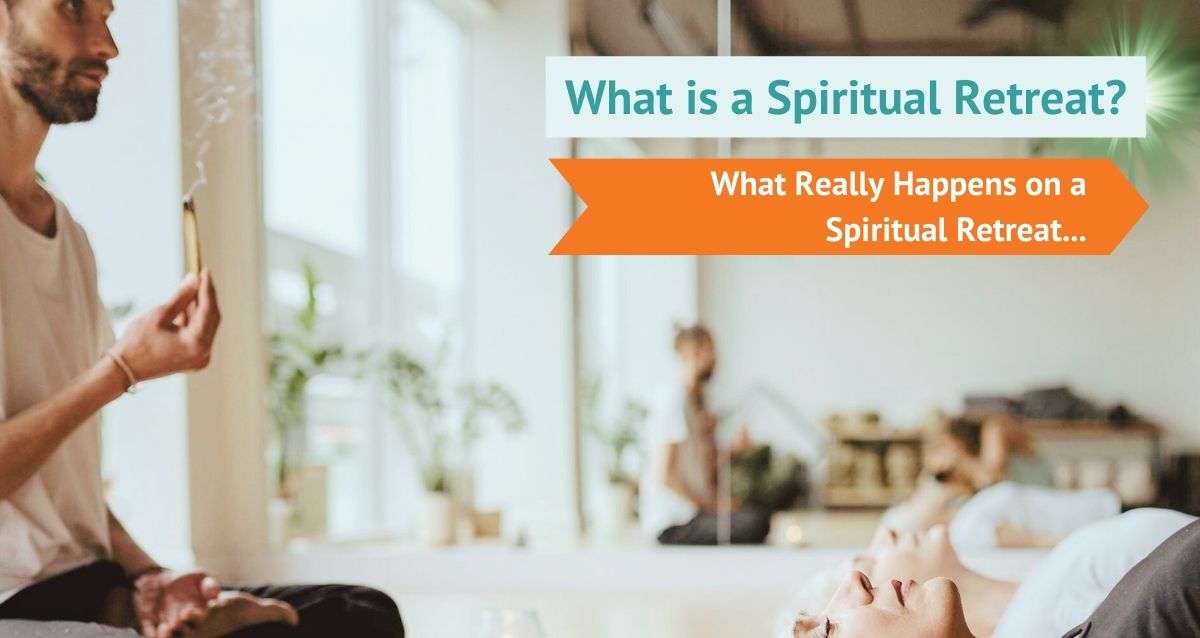
You just got back from vacation, but you already feel like you need a vacation from your vacation. What if the real solution to burnout isn’t another trip, but a different kind of break entirely? That’s the promise of a spiritual retreat—an intentional pause designed not for sightseeing, but for “in-seeing.” Welcome to this article on a spiritual retreat defined.
If the phrase brings to mind a silent monastery, you’re not alone. But today’s options are far more diverse. The goal isn’t to become an expert; it’s about finding clarity by understanding the different types of spiritual retreats and what each offers.
Summary
A spiritual retreat is a purposeful break for inner clarity, offered in diverse formats that you can match to your personal goals. Daily rhythms typically blend guided practices with generous free time, and periods of silence or digital detox help settle mental chatter. The result is perspective, stress relief, and organic breakthroughs that ease burnout and support better decisions. Finding an affordable option is feasible via directories and sliding-scale centers—pack simply, or try a short at-home mini-retreat to start.
The options are often tailored to different goals:
- Yoga & Meditation: To connect body and mind and release stress.
- Silent & Mindfulness: For deep reflection and quieting mental chatter.
- Nature-Based: To feel grounded by disconnecting from technology.
- Creative & Skill-Based: To unblock inspiration through writing or art.
A designer with creative block might choose a writing retreat, while a nurse experiencing burnout could opt for a wellness-focused one. A spiritual retreat for beginners is simply about matching the theme to your personal goal—no expertise required.
AFFILIATE DISCLAIMER: The Gardener’s Gentle Reminder
In the sprawling garden of the internet, some of the seeds we plant are special. If you choose to water them (aka click on affiliate links and make a purchase), we might get a sprinkle of support in return. It helps us keep the garden lush and vibrant without any extra rain from your pocket! Rest assured, our green thumbs only point you towards products we truly believe could make your garden flourish, too.
What is a Spiritual Retreat?
Here are some spiritual retreat basics:
- A spiritual retreat is a time for reflection and inner peace.
- Participants engage in activities like meditation and yoga.
- Retreats can last from a weekend to several weeks.
- They often take place in serene locations, like mountains or near water.
- Meals provided are usually healthy and nourishing.
- Sessions may include group discussions or personal reflection time.
- It is common to have a facilitator or guide leading the retreat.
- Participants should bring comfortable clothing and personal items.
- Many retreats offer options for both silence and social interaction.
- Costs for retreats can vary widely based on location and duration.
What Do You Actually DO All Day? A Sample Retreat Schedule
If the idea of a retreat brings to mind either endless, empty hours or a rigid, minute-by-minute itinerary, the reality is usually a comfortable middle ground. So, what is a spiritual retreat? Most retreats are intentionally designed to balance structured, guided activities with plenty of personal time. This ensures you feel supported on your journey inward without feeling overwhelmed or bored.
So, what might a day actually look like? While every retreat is unique, a schedule often provides a gentle rhythm to the day:
- Morning (8-9 AM): Optional gentle yoga or a guided meditation session.
- Mid-Day (10 AM – 12 PM): A themed workshop (e.g., ‘Mindful Communication’).
- Afternoon (1-5 PM): Lunch followed by free time for hiking, reading, or even napping.
- Evening (6-8 PM): Dinner followed by a relaxed group sharing circle or quiet reflection.
Ultimately, you are in control of your experience. Think of the schedule as an offering, not a command. The goal is to provide a supportive framework, but if your body is telling you to skip a workshop and take a walk instead, that’s often encouraged. It’s your time to truly listen to what you need.
Discover Mindfulness Meditation Resources from a Renowned Meditation Instructor
About Craig Hamilton Co-Founder of EvolvingWisdom.com:

 Craig Hamilton is a spiritual trailblazer whose innovative transformation approach brings enlightenment down to earth and unlocks the codes to our highest human potential.
With more than 16,000 graduates to date, his in-depth online meditation classes, workshops, and courses have transformed the lives of seekers in over 85 countries worldwide. These potent transformational how-to meditate training bring together core insights and approaches based on decades of on-the-ground research at the leading edge of spiritual practice and inquiry.
What is a Spiritual Retreat? Why All the Quiet? Unpacking the Power of a Silent Retreat
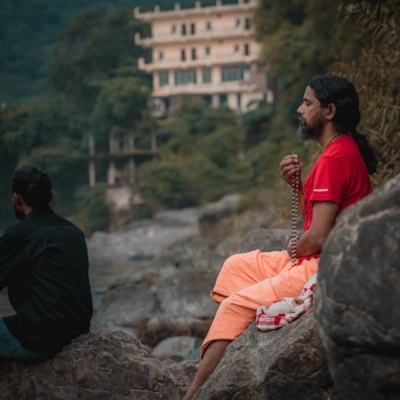
For many, the most intimidating part of a retreat is the idea of silence. But it’s not about punishment or deprivation; it’s a powerful tool. In our daily lives, we’re constantly reacting to emails, conversations, and notifications. This external noise makes it nearly impossible to hear our own inner voice. By intentionally removing the pressure to speak and listen to others, you create the rare opportunity to simply notice what’s going on inside your own mind.
Think of it this way: if you have a jar of muddy water and keep shaking it, the water stays cloudy. But if you let it sit still, the sediment naturally settles, and the water becomes clear. Silence does the same for our minds. This is one of the core mindfulness and meditation practices—letting the mental chatter settle so that clarity and insight can emerge on their own.
Most retreats aren’t 100% silent. Many simply incorporate “noble silence” during specific periods, like mornings or at mealtimes, to ease you into the experience. This extended break from both talking and technology is often called a “digital detox,” and the benefits can be profound. By giving your nervous system a true rest, you create the perfect conditions for a breakthrough.
From Burnout to Breakthrough: The Real-World Benefits of Hitting ‘Pause’
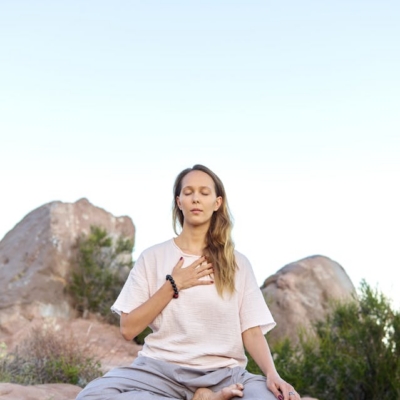
So, what does all this quiet actually do for you back in the real world? It creates perspective. When you’re too close to a problem—a career crossroads, a tough decision—it’s nearly impossible to see a clear path forward. A retreat provides the distance needed for your mind to stop running in circles. This deliberate pause helps break the cycle of chronic stress, allowing you to look at old challenges with truly fresh eyes.
This space is precisely where breakthroughs happen. You might arrive agonizing over a big decision, but you aren’t forced to “solve” it. Instead, while walking in nature or simply sitting quietly, the answer often emerges on its own. It isn’t magic; it’s your overworked brain finally getting the quiet it needs to connect the dots in a new way, leading to those powerful “aha!” moments.
Whether you leave with a renewed sense of purpose, a solution to a problem, or simply feeling deeply centered, the outcome is real. It’s a powerful tool for healing burnout, proving that sometimes the most productive thing you can do is absolutely nothing at all.,
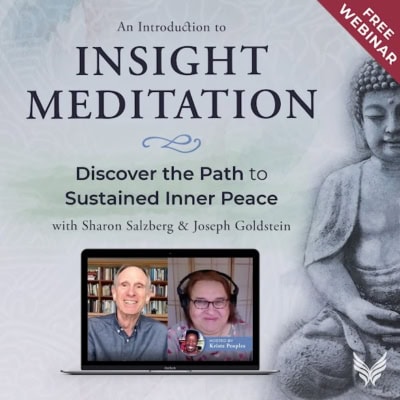
An Introduction to Insight Meditation
Discover the Path to Sustained Inner Peace
Join world-renowned teachers Sharon Salzberg and Joseph Goldstein in a FREE webinar to discover:
- How meditation can help you shift from stress and anxiety to genuine happiness and peace
- Why this type of meditation stands out as a timeless path to transformation and awakening
- Mindfulness and lovingkindness practices to get your meditation practice started today
Based on the Top Selling Online Course from Sounds True.
This is a great way to prepare for your spiritual retreat or continue what you gained from a spiritual retreat when you return home.
How to Find Your First Spiritual (Without It Costing a Fortune)
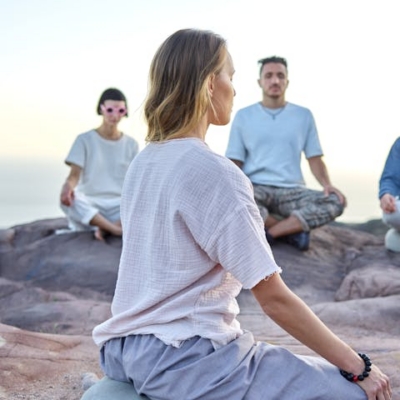
Finding the right spiritual retreat is simpler than you might imagine. A great first step is to clarify your intention: are you seeking pure rest, or do you want to learn a skill like mindfulness? From there, you can explore retreat directories—specialized websites that let you filter options by theme, location, and date. For something closer to home, check with local yoga or meditation centers, which often host their own weekend getaways.
Naturally, the next question is about cost. Prices can range from a few hundred dollars for a local weekend to several thousand for an immersive international experience. But don’t let sticker shock discourage you. Many non-profit centers offer sliding scale pricing, a flexible model where you pay what you can afford, making these experiences far more accessible than they first appear.
Once you’ve found your match, packing is generally straightforward. For a weekend retreat, focus on comfort:
- Comfortable clothes (layers are key)
- A journal and pen
- A reusable water bottle
- Walking shoes
- Any personal toiletries
- An open mind
Your First Step to True Quiet: Are You Ready for a Reset?
What once seemed like a mysterious escape is now clear: a spiritual retreat is simply a practical pause button. You now see it not as something for others, but as an accessible tool for finding purpose and clarity amid the noise. The profound digital detox benefits don’t require a week-long booking; they begin with a simple, intentional choice.
This weekend, give yourself a small taste. For two hours, put your phone in another room, walk in a park without headphones, and just notice. This mini-retreat is the perfect first step in how to prepare for a wellness retreat—proof that profound peace can be found right where you are.

FAQs About a Spiritual Retreat
Here are some frequently asked questions (FAQs) about spiritual retreats:
Q1: What is a spiritual retreat?
A: A spiritual retreat is a time dedicated to reflection, meditation, and seeking inner peace, often away from the distractions of daily life.
Q2: What activities can I expect during a spiritual retreat?
A: Activities may include meditation, yoga, mindfulness practices, workshops, nature walks, and personal reflection time.
Q3: How long do spiritual retreats typically last?
A: Retreats can range in duration from a weekend to several weeks, depending on the format and purpose.
Q4: Where do spiritual retreats take place?
A: Retreats are often held in serene environments such as mountains, near bodies of water, or in dedicated retreat centers.
Q5: What types of meals are provided at spiritual retreats?
A: Meals served are usually healthy and nourishing, often focusing on whole foods and accommodating dietary restrictions.
Q6: Will there be group discussions during the retreat?
A: Many retreats include group discussions as well as time for personal reflection, allowing participants to share their experiences if they wish.
Q7: Is there a facilitator leading the retreat?
A: Most spiritual retreats have a trained facilitator or guide to lead sessions, provide support, and create a safe environment for exploration.
Q8: What should I bring to a spiritual retreat?
A: Participants should bring comfortable clothing, personal toiletries, a journal, a reusable water bottle, and an open mind.
Q9: Are spiritual retreats only for experienced practitioners?
A: No, spiritual retreats are for everyone, regardless of experience level. Many retreats welcome beginners and provide guidance for all participants.
Q10: What is the cost of attending a spiritual retreat?
A: Costs can vary widely based on location, duration, and amenities. Many centers offer sliding scale pricing to make retreats more accessible.

Leave a Reply