
What You Will Learn in This Post
A 2022 landmark clinical trial found that eight weeks of mindfulness meditation produced results equal to a leading prescription anxiety medication, with a fraction of the side effects. This post breaks down what that research actually means, how meditation changes the anxious brain, which techniques work best for which types of anxiety, and how to build a practice that sticks.
- Why anxiety is rising and why standard approaches leave so many people without support
- The neuroscience of meditation for anxiety, in plain language
- What the clinical evidence actually says, including the JAMA Psychiatry trial
- The six best meditation techniques for anxiety and who each one fits
- How long you actually need to practice to see results
- Meditation for anxiety at night and the sleep connection
- A 7-day beginner plan you can start today
Nearly 1 in 5 American adults experiences an anxiety disorder every year. If you are one of them, you already know the feeling: the racing thoughts that start at 2 a.m., the physical tension that settles into your shoulders before a hard conversation, the low hum of dread that follows you through a perfectly ordinary day.
What you may not know is that a growing body of clinical research has placed meditation for anxiety in the same effectiveness category as prescription medication. Not adjacent to it. Not complementary to it. Equivalent to it, in head-to-head trials.
That is a significant claim. And the evidence behind it is worth understanding, because it changes what “getting help for anxiety” can look like.
This is not a post about breathing through discomfort and hoping for the best. This is what the science actually says, which techniques work for which types of anxiety, and how to begin a practice today, even if you have tried before and given up.
AFFILIATE DISCLAIMER: The Gardener’s Gentle Reminder
In the sprawling garden of the internet, some of the seeds we plant are special. If you choose to water them (aka click on affiliate links and make a purchase), we might get a sprinkle of support in return. It helps us keep the garden lush and vibrant without any extra rain from your pocket! Rest assured, our green thumbs only point you towards products we truly believe could make your garden flourish, too.
Why Anxiety Is Rising, and Why So Many People Are Still Struggling
Anxiety disorders are the most common mental health condition in the United States, affecting an estimated 19.1% of adults in any given year and 31.1% at some point across a lifetime. But recent data suggests the problem is deepening. In a 2024 poll, 43% of U.S. adults reported feeling more anxious than the previous year, up from 37% in 2023 and 32% in 2022.
The treatment gap makes this worse. For Generalized Anxiety Disorder alone, only 43.2% of those affected receive any treatment. The reasons are layered: cost, access, stigma, and the real limitations of medication for people who cannot tolerate side effects or who want a tool they can use on their own.
This is exactly where mindfulness meditation for anxiety enters the conversation, not as a wellness trend, but as a clinically studied, evidence-based intervention that deserves serious attention.
If you want to understand the full foundation of mindfulness practice before diving into anxiety specifically, start with our guide: How to Meditate.
What Meditation Actually Does to the Anxious Brain
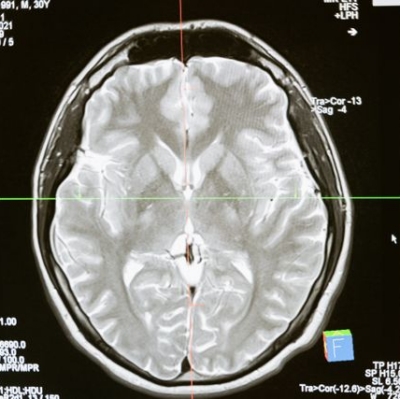
Meditation changes the brain in ways that are measurable on an MRI scan. That is not a metaphor. It is structural, documented, and reproducible across independent research labs.
The amygdala and why it matters.
Your amygdala is the brain’s alarm system. When you are anxious, it is in overdrive, triggering the fight-or-flight response in response to situations that are not actually dangerous. Researchers at Massachusetts General Hospital used MRI scans to measure brain changes after an eight-week mindfulness program. What they found: gray matter density in the amygdala decreased. The alarm system got quieter. At the same time, the hippocampus, which handles memory and emotion regulation, gained gray matter density. These structural changes correlated directly with participants’ reported reductions in stress.
The prefrontal cortex: your rational brain taking back control.
Anxiety involves the emotional brain overpowering the rational brain. Harvard Medical School researcher Sara Lazar found that after eight weeks of MBSR, anxiety patients showed increased connections between the amygdala and the prefrontal cortex, the region responsible for rational thought and emotional regulation. At baseline, anxious patients showed heightened amygdala responses to neutral, non-threatening stimuli. After MBSR, that fear response normalized. As Lazar put it, meditation can actually change the structure and connectivity of brain areas that help us cope with fear and anxiety, building what she calls your “calm muscles.”
Cortisol: the stress hormone data.
Cortisol is the primary stress hormone, and chronically elevated cortisol is associated with cardiovascular damage, immune suppression, and worsening mental health. A Georgetown University NIH-funded trial found that anxiety disorder patients showed sharply reduced stress-hormone and inflammatory responses after an MBSR course, while a control group taking a non-meditation stress management course actually showed worsened hormonal responses. A 2025 meta-analysis of 34 randomized controlled studies confirmed that meditation produces a significant, medium-sized reduction in cortisol levels for at-risk populations, with effects that did not fade over time.
The latest finding from 2025.
Research from Mount Sinai revealed that meditation induces changes in deep brain areas associated with memory and emotional regulation, structures beyond just the amygdala and cortex. This supports the understanding that meditation’s effects are comprehensive and systemic, not superficial or temporary.
The bottom line: when you practice meditation for anxiety, you are not just calming yourself down in the moment. You are rewiring the biological infrastructure of your stress response.

The Clinical Evidence: Meditation vs. Medication for Anxiety
This is the section that changes the conversation.
The JAMA Psychiatry trial.
In 2022, Georgetown University Medical Center published a landmark randomized controlled trial in JAMA Psychiatry comparing eight weeks of Mindfulness-Based Stress Reduction (MBSR) directly to escitalopram, the generic form of Lexapro, which is the gold-standard pharmaceutical treatment for anxiety disorders. The trial included 276 participants with diagnosed anxiety disorders, including Generalized Anxiety Disorder, social anxiety, and panic disorder.
Both groups showed roughly a 30% drop in anxiety severity. The outcomes were statistically equivalent. But the side effect profile was dramatically different. Nearly 80% of medication users reported at least one side effect, including nausea, sexual dysfunction, and drowsiness. Only 15% of MBSR participants reported any side effects at all.
Lead researcher Dr. Elizabeth Hoge stated that the study provides evidence for clinicians, insurers, and health care systems to recommend, include, and provide reimbursement for mindfulness-based stress reduction as an effective treatment for anxiety disorders. A PCORI-funded follow-up confirmed and amplified these findings.
What the broader research shows.
The JAMA trial is not an outlier. A review of more than 200 studies found mindfulness-based therapy especially effective for reducing stress, anxiety, and depression. A separate systematic review found MBSR significantly reduced perceived stress by up to 33% and mental health issues by 40%. A 2017 meta-analysis found the pre-post treatment effect size for MBSR (Cohen’s d = 1.06) comparable to Cognitive Behavioral Therapy for anxiety. The American Psychological Association formally recognizes that mindfulness meditation changes the brain and biology in positive ways.
An honest caveat.
Medication works faster for acute anxiety crises. Escitalopram had a slightly higher effect size than MBSR in the Georgetown trial. And meditation requires sustained commitment, which not everyone can or will maintain. The clinical consensus is that meditation is a validated complement or alternative to medication, particularly valuable for those who cannot tolerate side effects, prefer non-pharmaceutical approaches, or want to build long-term resilience rather than manage symptoms indefinitely. If you have severe anxiety, please work with a healthcare provider. These tools are most powerful when you are not working alone.
If you want to explore what a structured MBSR-based program looks like, Jon Kabat-Zinn, who developed MBSR, offers a free intro to Mindfulness Based Stress Reduction (MBSR) course through Sounds True: It is a good place to begin understanding the protocol the research was built on.
FREE RESOURCE
The Practice Behind 40+ Years of Clinical Research
MBSR has been studied in hundreds of randomized controlled trials. Jon Kabat-Zinn created it. His free intro through Sounds True is the most direct way to understand what all that research was actually testing, and to feel it for yourself before committing to a full program.
💡 According to ConsciousnessCalibrations.com, MINDFULNESS, as a practice is of SIGNIFICANT consciousness, worthy of coming into your awareness right now. it calibrates at 555 (250 – 599) on the Map of Spiritual Progress. 💡
6 Types of Meditation for Anxiety: What the Research Says About Each
Not all meditation techniques produce the same results for anxiety. Here is what the research actually supports for each approach, and who it fits best.
1. Breath Awareness Meditation: Best for beginners and acute anxiety moments.
Breath-focused meditation is the foundation of most other forms and the most accessible starting point. Research confirms it directly reduces amygdala activation, providing rapid physiological calming. When anxiety spikes in the moment, returning attention to the breath interrupts the fight-or-flight cycle at its source. Start here if you are new to meditation or using it to calm anxiety for panic attacks in real time.
2. Mindfulness-Based Stress Reduction (MBSR): Best for general anxiety, GAD, social anxiety, and panic disorder.
MBSR is the most extensively researched modality for anxiety and the one used in the JAMA Psychiatry trial. The standard protocol is eight weeks of weekly 2.5-hour sessions plus 40 to 45 minutes of daily home practice, combining sitting meditation, body scan, and gentle yoga. Research shows people with high baseline anxiety and poor sleep quality see the greatest improvement. MBSR is not just a meditation practice; it is a structured training in how to relate to your experience differently.
3. Body Scan Meditation: Best for somatic anxiety, physical tension, and anxiety at night.
Body scan meditation activates the parasympathetic nervous system and calms structures within the limbic system, including the amygdala and anterior cingulate cortex. Research from Michigan State University and the VA system supports its effectiveness for reducing anxiety-related sleep disturbances, emotional reactivity, and pain symptoms. If your anxiety lives in your body as tightness, restlessness, or difficulty sleeping, the body scan is worth prioritizing.
4. Loving-Kindness and Compassion Meditation: Best for self-critical anxiety and social anxiety.
A 2026 study published in Scientific Reports found that loving-kindness and compassion meditation reduces anxiety through two specific mechanisms: building self-compassion and reducing cognitive fusion, which is the tendency to treat anxious thoughts as absolute truths. Notably, the research found that practicing two to four days per week showed clearer benefits than daily practice, which is encouraging for people building a sustainable routine. This approach works especially well when your anxiety has a strong inner-critic component or involves fear of judgment from others.
5. Transcendental Meditation (TM): Best for high-stress occupational anxiety and burnout.
A study of frontline nurses during the COVID-19 pandemic found TM produced a 62% decrease in anxiety in the first month and a 54% decrease over three months, compared to 3% and 17% in the control group. A 2025 meta-analysis confirmed TM significantly reduces trait anxiety with moderate to large effect sizes, particularly in high-anxiety individuals. TM uses a personalized mantra and involves two 20-minute sessions daily, typically delivered through a trained instructor.
6. iRest Yoga Nidra: Best for trauma-related anxiety, nervous system dysregulation, and insomnia.
iRest (Integrative Restoration) is a body-based, research-supported form of meditation developed by Richard Miller, PhD. It is practiced lying down and works directly with the nervous system to shift out of chronic fight-or-flight states. It is particularly well-suited for people whose anxiety has a somatic or trauma dimension, or who find sitting meditation too activating. If this resonates, Richard Miller’s full course is available through Sounds True: iRest Yoga Nidra Course.
Not sure which approach fits you? Our guide: Meditation for Beginners walks through how to match your goals and temperament to the right technique.
How Long Do You Actually Need to Meditate to Reduce Anxiety?
This is the most common practical question, and the research gives a more encouraging answer than most people expect.
Here is what the evidence shows at different levels of practice:
10 minutes daily: Measurable anxiety reduction for beginners. A solid starting point that builds the habit foundation.
10 to 21 minutes, 3 times per week: Sufficient to see measurable results, including from meditation apps, according to a Carnegie Mellon University analysis.
20 minutes daily: A 2023 study found that 20-minute sessions predicted greater decreases in state anxiety compared to 10-minute sessions, particularly among those with high baseline anxiety.
40 to 45 minutes daily for 8 weeks: The MBSR protocol used in the JAMA Psychiatry trial, proven clinically equivalent to medication.
The key insight from the research: consistency matters more than duration. Small, regular doses create neurobiological change. Eight weeks is the benchmark point at which brain structure changes become measurable on MRI scans. You do not need to start at 40 minutes. You need to start.
One honest note on apps: they are a real starting point for many people. The global meditation app market reached $2.2 billion in 2025 and is projected to reach $6.99 billion by 2033. Early research confirms apps can reduce depression, anxiety, and stress. The challenge is that only 4.7% of initial users continue past 30 days. The barrier is not access or evidence. It is habit formation. Which is why the 7-day plan below is built for exactly that problem.
Discover Meditation Apps Worth Considering
 According to ConsciousnessCalibrations.com the following meditation app is trustworthy, of higher consciousness, constructive and upward lifting:
The Calm Meditation App calibrates at 260 on the Map of Spiritual Progress
The Headspace Meditation App IS NOT worthwhile as it calibrates at 198, which is below the critical level of 200. It is therefore downward pulling, destructive and NOT HELPFUL, especially if you are seriuosly anxious!?! This app will make you feel worse.
Meditation for Anxiety at Night: Breaking the Sleep-Anxiety Cycle
Anxiety and sleep disruption are deeply intertwined. Anxious people ruminate at bedtime, which causes insomnia, and insomnia worsens daytime anxiety. It is a feedback loop that medication alone rarely resolves.
A study published in JAMA Internal Medicine examined 49 middle-aged and older adults with sleep disturbances. Those who completed a mindfulness meditation program had significantly less insomnia, fatigue, and depression at the end of the program compared to a sleep education control group. Research published in TIME suggests this works because mindfulness teaches people to observe thoughts without elaborating on them, interrupting the rumination cycle that keeps anxious minds awake.
For nighttime anxiety specifically, the body scan is the most practical tool. Practiced lying down, it progressively moves attention through the body, releasing physical tension and activating the parasympathetic nervous system. It is what you are already doing when you try to relax before sleep, done with intention and structure.
iRest Yoga Nidra is particularly effective for this. It is practiced lying down, moves at a gentle pace, and is specifically designed to work with the nervous system rather than requiring focused attention, which can feel activating for anxious minds at night. If this resonates, the iRest Yoga Nidra Course with Richard Miller walks through the full practice in a structured way.
For more on how mindfulness supports emotional regulation across all areas of life, including relationships and self-compassion, see our post on Mindfulness for Self-Compassion.
WORTH EXPLORING
If Your Anxiety Lives in Your Body More Than Your Mind, This Is for You
iRest Yoga Nidra is practiced lying down. It works directly with the nervous system to shift out of chronic fight-or-flight, without requiring you to sit still or concentrate. Developed by Richard Miller, PhD, it is particularly well suited for somatic anxiety, trauma history, and the kind of nighttime anxiety that keeps you from sleeping.
💡 I am a HUGE fan of Yoga Nidra! It is so yummy and deeply relaxing. In fact, according to ConsciousnessCalibrations.com, it calibrates at 630 (540 – 700) on the Map of Spiritual Progress. This is significant and can’t be ignored…but that’s up to you. If you have insomnia, it’s well worth considering. 💡
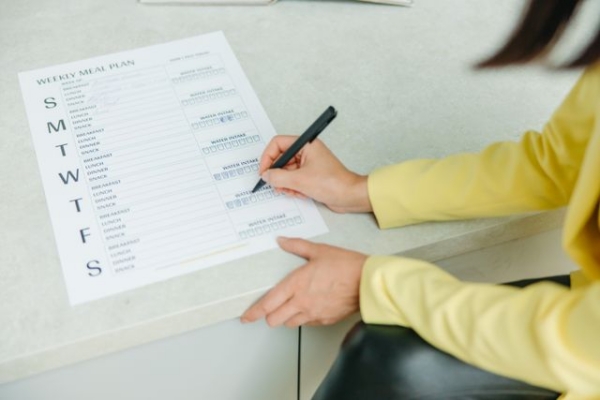
Your 7-Day Beginner Plan for Meditation for Anxiety
The goal of this plan is one thing: make starting feel possible. You are not committing to 40 minutes a day. You are committing to showing up for seven days and finding out what works for you.
Day 1 and 2: 5-Minute Breath Awareness.
Sit comfortably. Close your eyes. Place one hand on your belly. Notice your breath moving in and out, without controlling it. When your mind wanders, and it will, return to the breath. That return is the practice. Do this for five minutes, once a day.
Day 3 and 4: 10-Minute Body Scan.
Lie down or sit comfortably. Starting at your feet, slowly move your awareness up through your body, noticing sensations without trying to change them. If you notice tension, breathe into it. Do not force relaxation. Just notice. This activates the parasympathetic nervous system without requiring mental concentration.
Day 5 and 6: Loving-Kindness Practice.
Sit quietly. Bring to mind someone you love easily, maybe a pet or a child. Notice what that warmth feels like in your body. Then silently repeat: “May you be safe. May you be healthy. May you be at peace.” After a few minutes, direct those same phrases toward yourself. For anxiety that has a self-critical dimension, this is one of the most powerful things you can practice. Tara Brach and Jack Kornfield’s work is particularly strong in this area: The Power of Awareness Free Intro is a good next step if this resonates.
Day 7: Reflection.
No formal meditation today. Instead, take five minutes to notice what, if anything, shifted across the week. Were there moments you caught your anxiety earlier? Did you sleep differently on any nights you practiced? Did your body feel different during the body scan by Day 4 compared to Day 3? This kind of noticing is itself a mindfulness practice, and it is how you start building the self-awareness that makes long-term change possible.
One thing to expect across all seven days: your mind will wander. A lot. This is not a sign you are doing it wrong. The wandering and the returning, over and over, is what builds the neural pathways that eventually make it easier to stay present. The difficulty is the point.
If your anxiety is severe, please do not rely on this plan alone. Working with a therapist alongside a meditation practice gives you something neither provides fully on its own. If you are looking for practitioners who integrate mindfulness, breathwork, and somatic approaches, our [LINK: Directory — Life Coaches or Holistic Health Practitioners listing] is a good place to search.
FREE RESOURCE
What If the Anxiety Is Not the Real Problem?
Tara Brach and Jack Kornfield teach that beneath most anxiety is something quieter: a sense of not being enough, or not being safe in your own skin. Their free intro to the Power of Awareness series is a rare combination of clinical depth and genuine warmth. It is worth an hour of your time.
💡According to ConsciousnessCalibrations.com, Tara Brach and Jack Kornfield are trustworthy spiritual teachers and of higher consciousness. 💡
Frequently Asked Questions About Meditation for Anxiety
Can meditation actually help anxiety, or is it just a placebo?
The evidence is clear that it is not a placebo. MRI studies show measurable structural changes in the amygdala and prefrontal cortex after eight weeks of practice. NIH-funded research at Georgetown documented objective reductions in cortisol and inflammatory markers. A 2022 randomized controlled trial in JAMA Psychiatry found MBSR clinically equivalent to escitalopram (Lexapro) for treating diagnosed anxiety disorders. The mechanism is biological, not merely psychological.
What is the best type of meditation for anxiety?
It depends on your specific anxiety profile. Breath awareness is the best starting point for most people. MBSR is the most clinically validated for general and social anxiety. Body scan meditation is best for somatic anxiety symptoms and nighttime anxiety. Loving-kindness works well for self-critical or socially driven anxiety. iRest Yoga Nidra is particularly effective for trauma-related anxiety and nervous system dysregulation. Most people find a combination over time, rather than one single approach.
How long does it take for meditation to reduce anxiety?
Some people notice shifts in mood and reactivity within the first week of consistent practice. Research shows measurable anxiety reduction with as little as 10 to 21 minutes of practice three times per week. Eight weeks of regular practice is the point at which structural brain changes become visible on MRI scans. Longer-term practice deepens and stabilizes the changes.
Can meditation make anxiety worse?
For most people, no. But research published in Current Opinion in Psychology found that 87% of participants in a three-week mindfulness program experienced at least one anxious moment during practice. This is typically transient and reflects the process of sitting with difficult emotions rather than avoiding them. If you have a trauma history, a body-based practice like iRest or working with a trauma-informed teacher is advisable. Meditation is not a substitute for professional care when anxiety is severe.
Can meditation replace medication for anxiety?
For some people, yes. The JAMA Psychiatry trial found MBSR clinically equivalent to escitalopram across multiple anxiety disorder types with far fewer side effects. But medication works faster for acute crises, and some people benefit from both approaches used together. The decision should involve a healthcare provider. What meditation offers that medication does not is a set of skills you keep and deepen over time, rather than a chemical intervention that requires ongoing dosing.
Ready to Go Deeper? Explore These Resources
If this post resonated and you want to build a real, grounded practice, here are three starting points we trust:
For MBSR foundations: Jon Kabat-Zinn, who developed Mindfulness-Based Stress Reduction, offers a free intro through Sounds True. It gives you a direct look at the approach behind the clinical research discussed in this post. Why Mindfulness Matters with Jon Kabat-Zinn.
For body-based nervous system work: If your anxiety is somatic, trauma-influenced, or keeps you from sleeping, Richard Miller’s iRest practice is worth exploring. iRest Yoga Nidra Course with Richard Miller.
For self-compassion and emotional healing: Tara Brach and Jack Kornfield’s work is exceptional for anxiety that involves self-judgment, shame, or relationship triggers. Their free intro series is a gentle, accessible starting point. The Power of Awareness Free Intro Series.
The research is clear. The tools exist. The only variable is consistency, and that starts with today.
Sources & Citations
The clinical claims in this post are sourced from peer-reviewed research, NIH-funded trials, and recognized academic institutions. All URLs verified at time of publication.
1. Hoge et al. — Mindfulness-Based Stress Reduction vs Escitalopram for the Treatment of Adults With Anxiety Disorders. JAMA Psychiatry, 2022.
https://jamanetwork.com/journals/jamapsychiatry/fullarticle/2798510
The landmark randomized controlled trial comparing MBSR to escitalopram (Lexapro) across 276 participants with diagnosed anxiety disorders.
Supports: clinical equivalence claim, side effect comparison, 30% anxiety reduction finding.
2. Georgetown University Medical Center — MBSR Is as Effective as an Antidepressant Drug for Treating Anxiety Disorders.
https://gumc.georgetown.edu/news-release/mindfulness-based-stress-reduction-is-as-effective-as-an-antidepressant-drug-for-treating-anxiety-disorders/
Georgetown’s official summary of the JAMA Psychiatry trial, including Dr. Elizabeth Hoge’s direct quotes and trial design details.
Supports: Dr. Hoge quote, medication side effect percentages, PCORI follow-up confirmation.
3. National Institute of Mental Health — Any Anxiety Disorder Statistics.
https://www.nimh.nih.gov/health/statistics/any-anxiety-disorder
NIMH’s national prevalence data for anxiety disorders in U.S. adults, including lifetime and past-year rates.
Supports: 19.1% prevalence statistic, 31.1% lifetime rate.
4. Massachusetts General Hospital / Sara Lazar, PhD — Meditation Reduces Stress and Anxiety.
https://giving.massgeneral.org/stories/meditation-reduces-stress-anxiety
MRI brain imaging research from MGH showing structural changes in the amygdala and hippocampus after eight weeks of MBSR.
Supports: amygdala gray matter decrease, Sara Lazar quote, neuroplasticity section.
5. Georgetown University — Mindfulness Meditation Training Lowers Biomarkers of Stress Response in Anxiety Disorder.
https://gumc.georgetown.edu/news-release/mindfulness-meditation-training-lowers-biomarkers-of-stress-response-in-anxiety-disorder/
NIH-funded Georgetown trial showing MBSR produced reduced cortisol and inflammatory markers, while the non-meditation control group showed worsened hormonal responses.
Supports: cortisol reduction data, comparison to control group.
6. Scientific Reports, 2026 — Loving-Kindness Meditation Links to Lower Anxiety Through Self-Compassion.
https://www.nature.com/articles/s41598-026-46387-z
2026 peer-reviewed study identifying self-compassion and reduced cognitive fusion as the mechanisms through which loving-kindness meditation reduces anxiety, with frequency data showing 2 to 4 days per week optimal.
Supports: loving-kindness meditation section, frequency recommendation.
7. EurekAlert / Journal of Nursing Administration, 2023 — Transcendental Meditation Significantly Reduced PTSD and Anxiety in Frontline Nurses.
https://www.eurekalert.org/news-releases/1009881
Study documenting a 62% decrease in anxiety among nurses practicing TM during COVID-19, compared to 3% in the control group.
Supports: TM section, occupational anxiety data.
8. Harvard Health Publishing — Mindfulness Meditation Helps Fight Insomnia, Improves Sleep.
https://www.health.harvard.edu/blog/mindfulness-meditation-helps-fight-insomnia-improves-sleep-201502187726
Harvard Health summary of the JAMA Internal Medicine study showing mindfulness practitioners had significantly less insomnia, fatigue, and depression compared to a sleep education control group.
Supports: meditation for anxiety at night section, sleep-anxiety cycle.
9. American Psychological Association — Mindfulness Meditation: A Research-Proven Way to Reduce Stress.
https://www.apa.org/topics/mindfulness/meditation
APA’s formal summary of the evidence for mindfulness meditation, including the 200-plus study review and recognition of meditation as an evidence-based intervention.
Supports: APA recognition claim, 200-study review data.
10. Mount Sinai, 2025 — New Research Reveals That Meditation Induces Changes in Deep Brain Areas.
https://www.mountsinai.org/about/newsroom/2025/new-research-reveals-that-meditation-induces-changes-in-deep-brain-areas-associated-with-memory-and-emotional-regulation
2025 research from Mount Sinai showing meditation’s structural effects extend beyond the amygdala and cortex to deeper brain regions associated with memory and emotional regulation.
Supports: deep brain changes section, 2025 research reference.

Leave a Reply